The Indian

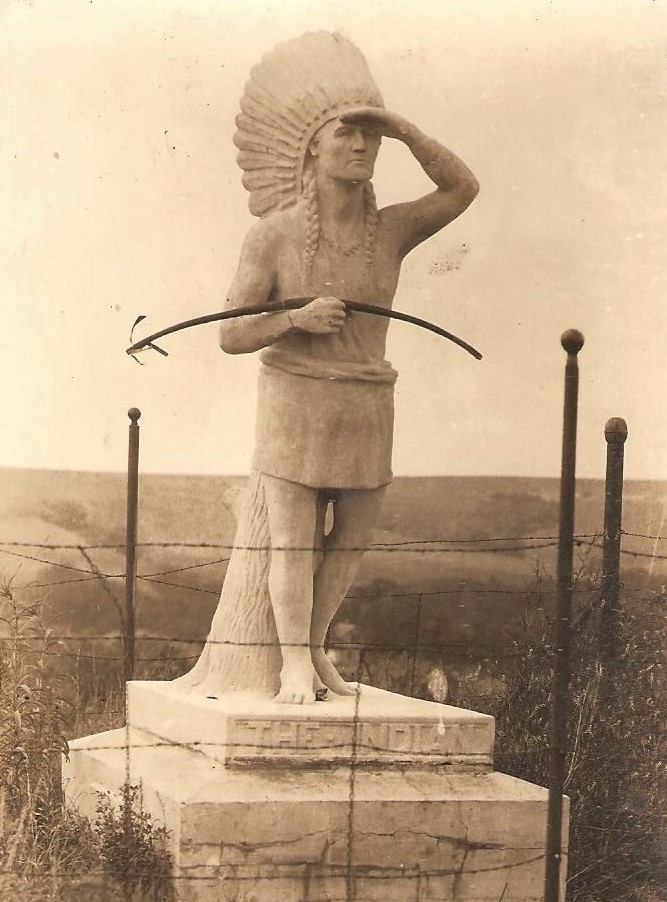
On a hilltop in Kansas stands a weather-beaten monument to the Indian, who at the time of the placement of the statue was becoming a memory of days gone by. The statue continues it’s vigil over the valley below but in the overgrowth of the hill, it is unseen, except for those who know where to look. The Indian, the statue, has a story that mirrors the Indian, the people. 
With A Little Help From The Great Spirit

It’s a story that can only take place in America. They had come west, illprepared, to a new home where they hoped to start fresh for themselves and their families. The new residents of Nicodemus, Kansas, mostly former slaves from Kentucky were unready for the rugged and harsh environment of the Plains, but a roving band of Native Americans came across the hapless migrants. After discussing the situation, the Great Spirit touched their hearts. The following day they returned to Nicodemus and shared their bounty with the new-comers. A story that had many causes and effects that could only happen in America.

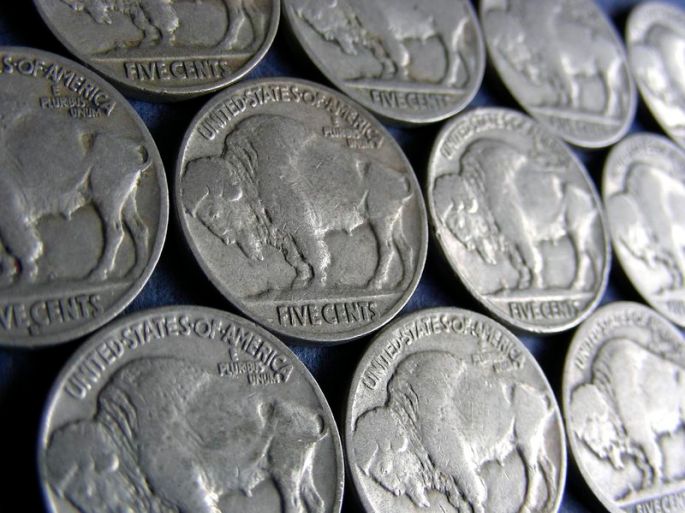
Two Nickels At The Eagle

I’ve been running into a certain subject in my research, one that will make a few appearances in episodes to follow. It reminded me of the first time I really encountered the subject, while standing in line at the Eagle Theater waiting for my chance at an Orange Fanta.

Primary Sources:What Makes A Story History

Library Weathered Books Vintage Shelves Old


Historians bring the past to life by using primary sources, material from the point of time being studied.  These materials can provide words directly from the characters in the story, but it’s more than just a story – it’s true.

Dr. Megan Kate Nelson discusses the primary sources she used to write her book “The Three Cornered War: The Union, The Confederacy and Native Peoples In The Fight For The West.” The source material was able to provide the details to follow some of the major personalities in her book who left little to no information in their own words.

Talking Leaves: The Genius of Sequoyah

cherokee1

With no formal education and speaking only his native tongue,  Sequoyah developed his Talking Leaves, the writing system he developed for the Cherokees. Although he died over 180 years ago, recent events pertaining to the language have a direct link to the Cherokee genius! Hear the story, click the link below!